Gear & Shoes
What to Wear Running: A Beginner's Guide
Not sure what to wear running? Learn how to choose moisture-wicking clothes, layer for cold, stay cool in heat, and avoid blisters from day one.
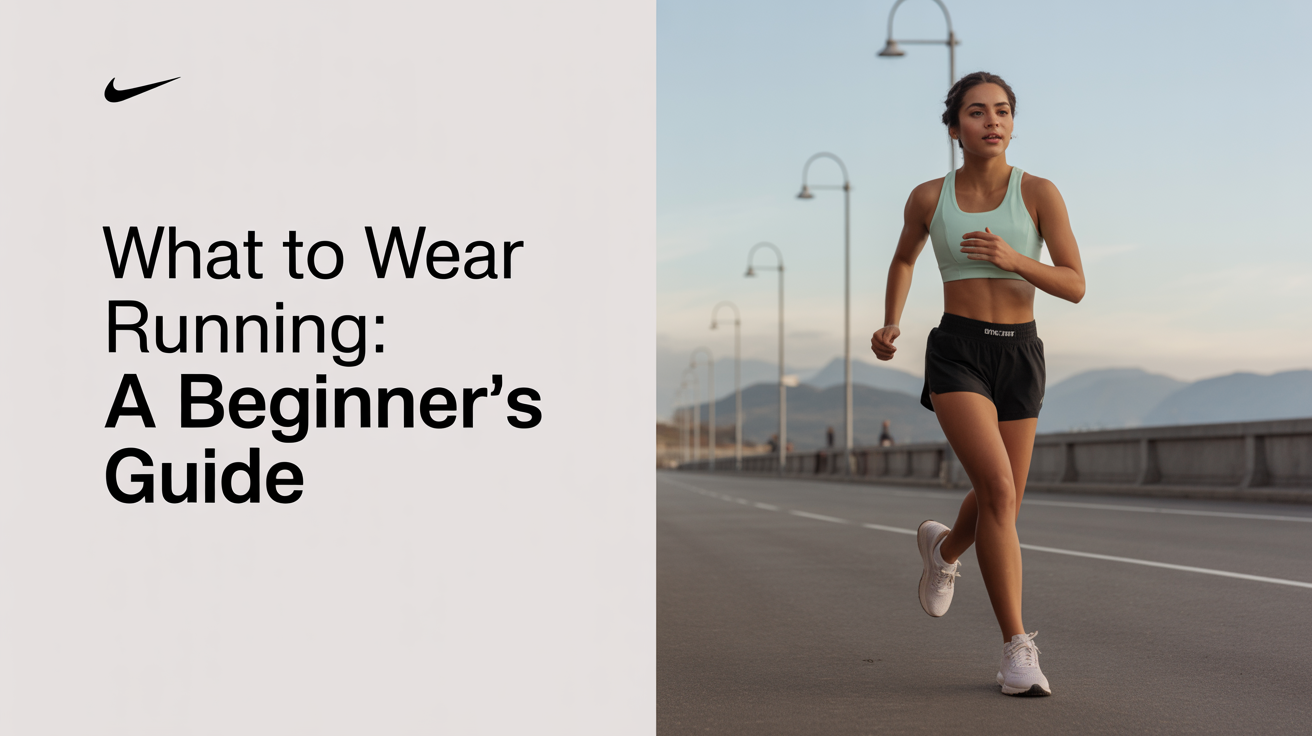
Good news: you probably already own enough to go for your first run today. A comfortable T-shirt and a pair of shorts you can move in will get you out the door. But as your runs get longer and the weather gets interesting, knowing a few basics about running clothes will make every mile more comfortable and a lot less chafing.
Here is what to know about running apparel before you spend a single dollar.
The Golden Rule: Dress for 10 to 20 Degrees Warmer
The most useful thing anyone can tell you about what to wear for a run is this: dress as if it is 10 to 20 degrees Fahrenheit (about 5 to 10 degrees Celsius) warmer than it actually is outside.
Why? Because your body generates a lot of heat the moment you start moving. If you walk out the door feeling perfectly comfortable, you will feel overdressed within the first ten minutes. If you walk out feeling slightly underdressed, you will warm up right on schedule.
This table gives you a quick starting point. These are guidelines, not rules, because everyone runs hot or cold differently.
| Temperature | What to Wear |
|---|---|
| Above 60°F / 16°C | Shorts and a short-sleeve moisture-wicking shirt |
| 50–60°F / 10–16°C | Shorts or lightweight pants, short or long sleeves |
| 40–50°F / 4–10°C | Tights or long pants, long-sleeve shirt, light gloves |
| 30–40°F / -1–4°C | Tights, long-sleeve base layer, light jacket, gloves, ear covering |
| Below 30°F / -1°C | Two upper layers, wind-blocking jacket, warm tights, hat, gloves |
In extreme cold, below roughly 0°F (-18°C), conditions become genuinely hazardous. Exposed skin can develop frostbite faster than most people expect. Dress in properly insulating layers, keep runs short, and prioritize a treadmill when wind chills are severe. This is general guidance, not medical advice, so use your judgment and check local conditions.
Skip the Cotton: Why Fabric Matters More Than You Think
This single switch will change your running life: stop wearing cotton.
Cotton absorbs sweat and holds onto it. After a few miles, a cotton shirt feels heavy, cold, and clingy. It also creates friction against your skin that can cause painful chafing, especially on longer runs or in humid weather.
Moisture-wicking fabrics, usually polyester or nylon blends, work the opposite way. They pull sweat away from your skin and help it evaporate. You stay drier, cooler in summer, and warmer in winter. Most athletic shirts sold today are moisture-wicking, and they are not expensive.
Look for terms like "moisture-wicking," "dri-fit," or "performance fabric" on the label. Merino wool is a natural option that wicks well and resists odor, which is useful on longer efforts. Whatever you choose, the main thing is to avoid cotton against your skin on runs longer than 20 minutes.
Sports Bras: The Most Important Piece of Running Gear for Many Runners
If you need a sports bra, this is worth more attention than any other item on this list. A poor fit causes discomfort and can lead to pain that ends your run early.
Running is high-impact, which means you need a bra with enough support to reduce bounce significantly. Look for:
- Encapsulation or combination bras for larger cup sizes, which support each side independently
- Compression bras for smaller cup sizes, which work well for most high-impact activity
- Moisture-wicking fabric, since an all-cotton sports bra creates the same chafing problems as a cotton shirt
- A snug but breathable fit, firm without digging in or restricting your breathing
Try the bra on before buying if possible, and do a few jumping jacks or jog in place in the fitting room. If anything shifts or digs in, try the next size or a different style.
Socks: The Underrated Key to Blister-Free Running
Most people think about shoes when they think about running comfort, and shoes absolutely matter. But running socks do almost as much work. Wearing the wrong socks in good shoes still gets you blisters.
Running-specific socks differ from everyday socks in a few ways:
- Thicker cushioning in the heel and ball of the foot absorbs impact
- Moisture-wicking fibers keep your feet drier than cotton tube socks
- Seamless toes eliminate the raised ridges that cause friction blisters
- Snug fit prevents bunching inside the shoe
Look for socks labeled for running or hiking. Merino wool blends work well year-round. Avoid wearing cotton ankle socks on any run longer than a mile or two.
If you are buying new running shoes, our guide to how to choose running shoes for beginners covers what to look for in fit, cushioning, and drop. And if you are wondering how much you need to spend, do you need expensive running shoes breaks that down honestly.
Layering for Cold Weather Runs
Cold weather running is genuinely enjoyable once you figure out your layering system. The goal is to trap warmth without trapping sweat, which means each layer has a specific job.
Base layer: This sits directly against your skin and should always be moisture-wicking. Its job is to move sweat outward, not hold it against you. A long-sleeve running shirt or lightweight thermal top works here.
Mid layer: In temperatures below roughly 40°F (4°C), a lightweight fleece or insulating running jacket gives you warmth without bulk. This layer can often be removed and tied around your waist if you warm up faster than expected.
Outer layer: A wind-resistant or water-resistant shell blocks the elements. On dry but cold days, a thin running vest protects your core while leaving your arms free. On wet or very windy days, a proper running jacket is worth having.
Do not forget your extremities. Your hands and ears lose heat quickly and warm up slowly. A lightweight pair of running gloves and a thin headband or beanie are cheap, easy to stuff in a pocket, and make a real difference below 45°F (7°C).
Staying Cool and Sun-Safe in Heat
Heat is the more dangerous extreme. Overheating during a run is not just uncomfortable, it can become a medical situation faster than most beginners realize.
In warm weather, aim for loose, light-colored clothing that reflects rather than absorbs heat. Bright or white fabrics stay cooler than dark ones in direct sun. Shorts and a short-sleeve or sleeveless moisture-wicking shirt are the standard summer kit for most runners.
A few other things that help:
- A running cap or visor keeps direct sun off your face and eyes
- Sunscreen on any exposed skin, applied before you head out; sweat-resistant sport formulas stay on better
- Hydration, which is not clothing but cannot be left off this list; carry water on any run over 30 to 40 minutes in heat
If it is above 90°F (32°C) with high humidity, or if there is an air quality advisory, consider a treadmill or an early-morning run before the day heats up. Heat illness is real and it escalates quickly.
Running in Rain and Low Light
Rain is not a reason to skip a run, but being visible to traffic is non-negotiable. When daylight is low, whether at dawn, dusk, or in overcast conditions, drivers have a harder time seeing you than you realize.
A few simple habits help:
- Wear bright or reflective clothing whenever you run near roads in low light
- A headlamp or clip-on running light is inexpensive and visible from a long distance
- Run facing traffic so you can see and react to approaching vehicles
For rain, a lightweight water-resistant jacket keeps you from getting soaked through on longer runs. In light drizzle, a moisture-wicking shirt alone usually handles the moisture fine. Skip an insulated puffer jacket in rain; it absorbs water and becomes heavy fast.
Wet shoes cause blisters faster than dry shoes, so if you run in rain regularly, a second pair of running shoes to rotate through helps both your feet and the shoes' longevity. Speaking of which, how often should you replace running shoes explains what to watch for before the cushioning breaks down.
Frequently Asked Questions
Do I need to buy special running clothes to start?
No. If you have athletic shorts, a non-cotton T-shirt, and any athletic socks, you have enough for your first runs. Invest in proper gear gradually as your mileage builds and you figure out what bothers you.
Why does my cotton shirt feel so uncomfortable after a few miles?
Cotton absorbs sweat without letting it evaporate. After a few miles it becomes heavy, cold, and rough against your skin. Switching to a moisture-wicking synthetic or merino wool shirt eliminates this entirely.
What should I wear running in the rain?
In light rain, a moisture-wicking shirt handles the moisture reasonably well. In heavier rain or cold rain, a lightweight water-resistant running jacket keeps you comfortable without the weight of a fully waterproof shell. Avoid cotton layers underneath, since wet cotton stays cold.
Can I run in leggings year-round?
Yes. Lightweight running tights work in warm weather too, though many runners find shorts more comfortable above 60°F (16°C). Some runners prefer tights in all conditions for sun protection or to avoid chafing. There is no wrong answer as long as the fabric wicks moisture.
How do I know if I am dressed appropriately for the temperature?
Use the 10 to 20 degree rule: if the air temperature is 45°F (7°C), dress as if it is 55 to 65°F (13 to 18°C). You should feel slightly cool for the first few minutes of your run, then comfortable as you warm up. If you feel warm before you even start moving, you are overdressed.