Injury Prevention
Shin Splints: Causes, Treatment, and Prevention
Shin splints from running are common in beginners. Learn what causes them, how to treat them, and how to prevent them from coming back.
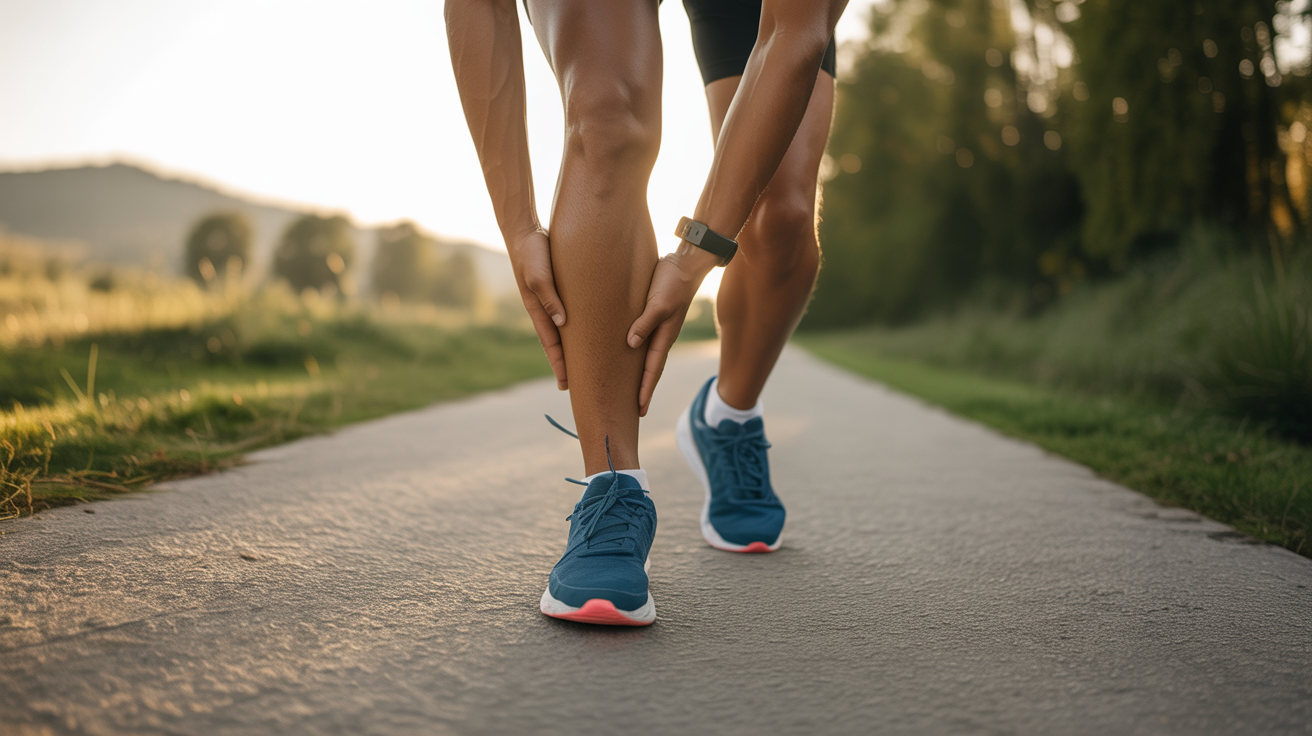
You're a few weeks into a new running habit. Things are going well. Then one morning you wake up and your shins feel like someone dragged a hot poker along the bone. That dull, aching throb along the inner edge of your lower leg? That's shin splints, and it's one of the most common complaints new runners bring to coaches and clinics alike.
The clinical name is medial tibial stress syndrome, or MTSS. It refers to inflammation of the muscles, tendons, and bone tissue around the tibia, that long bone running down the front of your lower leg. The pain usually sits along the inner third of the shin, feels worst at the start of a run (or right after), and may ease once you're warmed up, only to return with a vengeance when you stop. Some people feel a broad, tender ache. Others describe a burning sensation that makes going down stairs feel personal.
The reassuring news: shin splints are not a permanent condition. They're a signal. Understand what's driving them and you can fix it.
Why Runners Get Shin Splints
The single biggest cause of shin splints from running is doing too much, too fast. Your cardiovascular fitness tends to outpace the structural readiness of your bones and connective tissue. You feel fine aerobically, so you keep adding miles. Your tibia, meanwhile, is under repetitive stress it hasn't yet adapted to handle.
Beyond mileage, several other factors stack the odds against you.
Hard surfaces. Concrete is roughly ten times less forgiving than a packed trail. Running long stretches of pavement concentrates impact force through your lower legs with very little natural absorption.
Worn-out shoes. Cushioning in running shoes compresses over time. A shoe that looks fine from the outside may have lost most of its shock-absorbing capacity after 400 to 500 miles. If your shoes are old and your shins suddenly hurt, that timeline is worth checking.
Tight calves. The calf muscles and the soleus attach near the tibia. When they're chronically short or stiff, they pull on the bone with every footfall, adding tension in exactly the wrong place.
Weak lower legs and hips. Insufficient strength in the tibialis anterior (the muscle that runs alongside the shin), the peroneals, and even the glutes can change your gait mechanics in ways that transfer more load to the shin. Weakness higher up the chain often shows up as pain lower down.
Sudden changes in training. A new route with more hills, switching from a treadmill to the road, or jumping from three days per week to five, all of these count as increases even if your total mileage looks the same.
Shin Splints vs. a Stress Fracture: Know the Difference
This is important. Shin splints and tibial stress fractures can feel similar, especially early on, but they are not the same thing and they don't respond to the same approach.
With shin splints, the pain tends to be diffuse. Press along the inner shin and you'll find a broad, tender zone, maybe three to five inches long. It typically hurts at the start of a run, eases as you warm up, and returns afterward.
A stress fracture is more sinister. The pain is pinpoint, meaning you can press on one specific spot and recreate the exact same pain. It often gets worse throughout a run rather than better, and in more serious cases it persists when you're just walking or sitting. Night pain is a red flag.
If you have any of those signs, stop running and see a doctor or sports medicine professional. A stress fracture that's ignored can become a complete fracture. Don't try to push through it or guess.
This article is general information only. It is not medical advice. If your pain is sharp, pinpoint, worsening, or keeps you from walking normally, please see a healthcare professional.
How to Treat Shin Splints
The good news is that most cases of shin splints respond well to relatively simple measures.
Back off, don't quit. You don't necessarily have to stop running entirely, but you do need to reduce load significantly. Drop your weekly mileage by 40 to 50 percent. Swap some runs for lower-impact options like cycling or swimming. The goal is to remove the stress that caused the inflammation while keeping your fitness from evaporating.
Ice after activity. Apply ice wrapped in a thin cloth to the sore area for 15 to 20 minutes after any run or strength session. It won't fix the underlying issue, but it helps manage the acute soreness.
Address the calves. Tight calves are almost always part of the picture. Gentle static stretching of both the gastrocnemius (straight-leg calf stretch) and the soleus (slightly bent-knee version) twice daily can make a noticeable difference within a week or two. Hold each stretch for 30 to 45 seconds.
Start strengthening. Pain allows it, not despite it, begin loading the lower leg gently. See the list below.
Give it time. Shin splints don't resolve in three days. Most runners need two to four weeks of modified training before they can ramp back up without symptoms returning. If pain persists beyond two weeks, or if it's stopping you from walking normally, see a sports medicine professional or physiotherapist.
For more on managing common running injuries as a beginner, this overview of how to prevent running injuries as a beginner covers the broader picture.
Calf and Lower-Leg Exercises to Heal and Protect
These exercises address both the tight muscles and the weakness that contribute to shin splints. Start with 2 sets of 10 to 15 reps, done every other day.
- Calf raises (bilateral): Stand at a wall or counter edge, rise onto the balls of both feet, lower slowly. The descent (eccentric phase) is where most of the adaptation happens, so take 3 seconds coming down.
- Single-leg calf raises: Progress from two legs to one once the bilateral version feels easy. This matches the demand of actual running.
- Toe raises: Stand flat-footed and lift your toes and the front of your feet off the ground, then lower. This directly strengthens the tibialis anterior, the muscle running along your shin.
- Soleus raises: Seated with knees bent at 90 degrees, place a weight on your thighs and rise onto the balls of your feet. The bent knee shifts load to the deeper soleus muscle.
- Ankle alphabet: Seated, lift one foot and trace the letters of the alphabet with your big toe. Sounds silly. Works well for ankle stability and lower-leg endurance.
- Resistance band dorsiflexion: Loop a band around the top of your foot (anchored behind you) and flex your foot upward against the resistance. Excellent tibialis anterior isolation.
How to Prevent Shin Splints from Running
Prevention comes down to a few consistent habits, none of them complicated.
Follow the ten-percent rule. Don't increase your total weekly mileage by more than ten percent week over week. It's a rough guideline, not a law, but it's a good ceiling for most beginners. Slow progression is not wasted time. It's the adaptation window your bones need.
Vary your surfaces. Mix in grass, packed trails, or rubberized tracks when you can. Your legs will thank you for the variety in impact load.
Check your shoes. Track your mileage and replace shoes before they give out, typically between 400 and 500 miles. If you're unsure, take your old pair to a running store and ask someone to assess the midsole compression.
Raise your cadence. A cadence of around 170 to 180 steps per minute tends to produce shorter, lighter footstrikes that reduce tibial loading. You don't need a metronome; just try to take slightly quicker, lighter steps and see if it feels easier on your shins.
Build strength year-round. The calf and lower-leg exercises above aren't just for rehab. They're a long-term investment in durability. Even two sessions per week keeps the tissue prepared for the stress of running.
Runner's knee is another injury that shares some of these root causes. If your knees are also giving you trouble, runner's knee: what it is and how to fix it walks through the mechanics and recovery approach.
Returning to Running After Shin Splints
Don't jump back to where you left off. Even if you feel fine after a week of rest, your tissue hasn't fully adapted. Returning too quickly is the most common reason shin splints come back within weeks of clearing up.
A sensible return looks something like this:
- Pain-free walking for 3 to 5 days at a normal pace. If walking hurts, you're not ready.
- Run/walk intervals: alternate 1 minute of easy running with 2 minutes of walking for 20 to 25 minutes. No pain during or after?
- Progress the running portions over 1 to 2 weeks until you're running continuously for 20 to 30 minutes.
- Add mileage gradually from there, keeping to the ten-percent rule.
Take your time here. Two extra weeks of conservative progression is a small price compared to another month of shin pain.
And while you're working on injury prevention from the ground up, it's worth reading about how to prevent blisters and chafing while running too. Small friction issues can change your gait in ways that ripple up to your shins.
Frequently Asked Questions
Can I keep running through shin splints?
In mild cases, yes, with significant mileage reduction. If the pain is sharp, worsens during a run, or is still present when you're walking, stop running and rest. Pushing through moderate-to-severe shin splints risks turning a recoverable overuse issue into a stress fracture.
How long does it take for shin splints to heal?
Most cases resolve in two to four weeks with relative rest, ice, and lower-leg strengthening. Persistent or severe cases can take six to eight weeks. If pain hasn't improved meaningfully after two weeks of modified training, see a physiotherapist or sports medicine doctor.
Are shin splints the same as a stress fracture?
No. Shin splints produce diffuse tenderness along a broad stretch of the shin and typically ease once you warm up. A stress fracture causes pinpoint pain at one specific spot, often worsens during activity, and may hurt even at rest. If you suspect a stress fracture, stop running and get it evaluated.
What's the best shoe for shin splints?
There's no single answer. The most important thing is that your shoes have adequate cushioning that hasn't been compressed from age. Beyond that, a gait analysis at a specialty running store can help identify whether you'd benefit from additional support or a different heel-to-toe drop. Avoid making multiple changes at once.
Why do my shin splints keep coming back?
Recurring shin splints usually mean one of two things: returning to full mileage before the tissue has fully recovered, or not addressing the underlying cause (weak calves, tight muscles, worn shoes, or too-rapid progression). Fix the root issue, not just the symptoms.