Gear & Shoes
Running in Cold Weather: What to Wear
Learn how to dress for cold weather running with this beginner guide to winter running clothes, layering, and staying warm on every run.
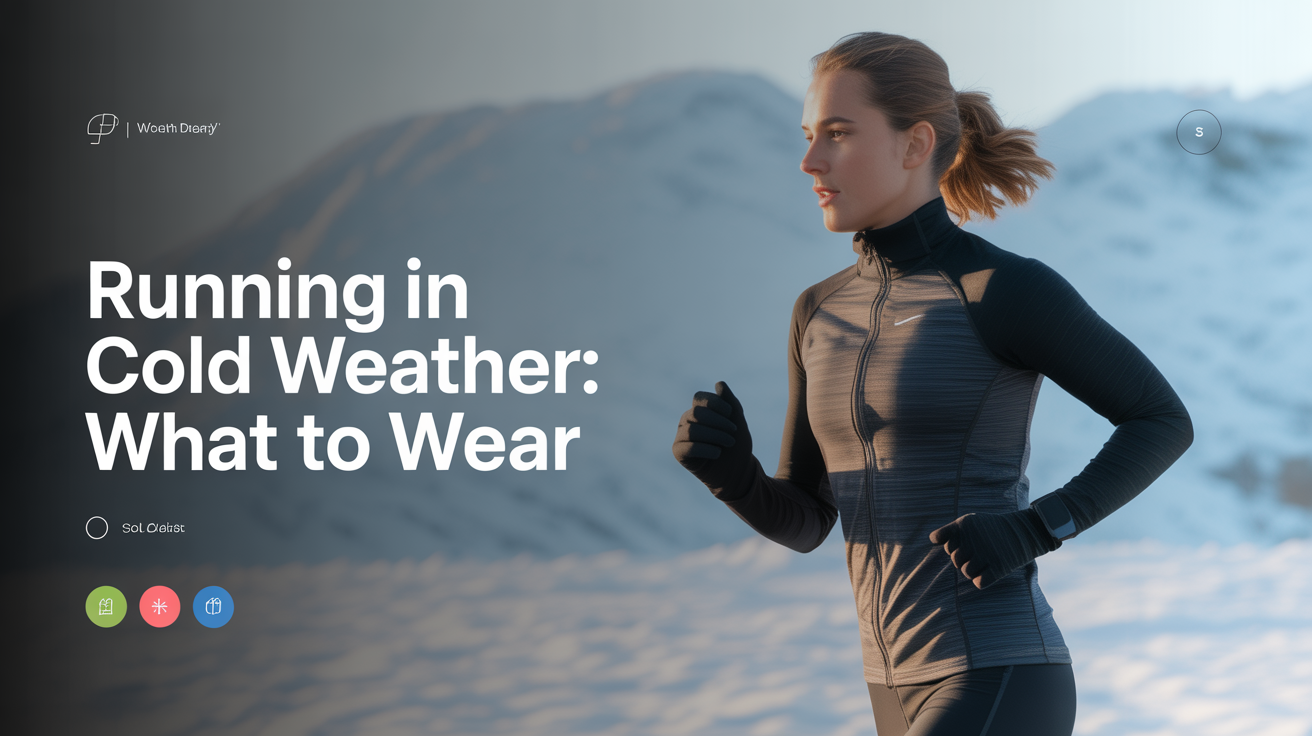
Cold air hits differently when you are trying to jog. You step outside, feel the bite, and wonder whether you should just go back inside and try again in April. The good news is that running in cold weather is very manageable once you know what to put on your body. Get the layers right and you will often find that winter runs feel easier on your legs than summer ones.
This guide is aimed at people who are new to running or just new to running through the colder months. If you have any health conditions, are pregnant, or have been inactive for a while, check with your doctor before starting a new exercise routine. Cold weather adds a little extra stress to your heart and lungs, so getting clearance first is a smart move.
Why Cold Weather Layering Matters
The core problem with dressing for a cold run is that your body temperature rises quickly once you get moving. If you bundle up the same way you would for a walk, you will be sweating through your clothes within ten minutes and then chilling down when you stop.
The goal of layering is to trap some warmth, pull moisture away from your skin, and block wind or rain, all at the same time. You want to feel slightly cool when you first step out the door. If you feel comfortable standing still at the start, you are probably already overdressed for the pace you will be running.
A useful rule of thumb: dress as if it is about 15 to 20 degrees Fahrenheit (roughly 8 to 11 degrees Celsius) warmer than the actual temperature. Your body heat will close that gap within the first half mile (about 800 meters) of running.
The Three-Layer System
Base layer (next to your skin)
This layer does one job: move sweat away from your body so you do not get cold and clammy. Synthetic fabrics like polyester or nylon do this well. Merino wool is another solid option because it handles moisture and odor effectively. Avoid plain cotton here; it soaks up sweat and holds it against your skin, which makes you feel cold fast.
For easy runs down to about 40 degrees Fahrenheit (4 degrees Celsius), a single long-sleeve base layer top with running tights or thermal leggings is usually all you need on your lower half.
Mid layer (for temperatures below 35°F / 2°C)
Once temperatures drop below freezing or the wind picks up, a light fleece or thermal long-sleeve over your base layer adds meaningful warmth without much bulk. Many runners skip a separate mid layer and just go straight to a heavier jacket, which works fine too.
Outer layer (wind and water protection)
A running jacket or vest that cuts wind makes a noticeable difference when temperatures are in the 20s to 30s Fahrenheit (roughly minus 6 to 4 Celsius) or when it is wet outside. Look for something lightweight that packs small; you may want to tie it around your waist once you have warmed up.
What to Wear on Your Hands, Head, and Feet
Your extremities are the first things to get cold, and warming them up helps your whole body feel more comfortable.
Hands
Running gloves are worth buying before anything else in your cold-weather kit. Thin synthetic or wool liner gloves work down to around 35 degrees Fahrenheit (2 degrees Celsius). Below that, a slightly thicker pair or light mittens over a liner will do more. Mittens keep fingers warmer than gloves at the same temperature because your fingers share heat with each other.
Head
A thin running beanie or headband covering your ears is enough for most cold days. You lose a lot of heat through your head, so this single addition makes the rest of your body feel warmer. If it is very windy, a balaclava or neck gaiter you can pull up over your face helps protect your breathing.
Feet
Your regular running socks are usually fine down to fairly cold temperatures because your feet generate heat as you run. If the ground is wet or icy, wool-blend socks help retain some warmth when your shoes get damp. Avoid thick hiking socks because they can change the fit of your shoes in ways that cause blisters or pressure points.
Shoe traction is worth thinking about separately. If you are running on icy sidewalks or packed snow, your normal road shoes can slide. Some runners add a lightweight slip-on traction device over their shoes for these conditions. Others just shorten their stride and slow their pace, which is a reasonable approach for most beginner runs.
Temperature Reference Guide
Here is a rough guide to build your outfit around. These are starting points; your own pace, wind chill, and how warm or cold you tend to run will shift things.
- Above 50°F (10°C): Short sleeves or a light long-sleeve, shorts or capri tights. Gloves optional.
- 40 to 50°F (4 to 10°C): Long-sleeve base layer, running tights. Gloves and a headband.
- 30 to 40°F (minus 1 to 4°C): Long-sleeve base layer, light jacket or heavier long-sleeve, tights. Gloves, beanie.
- 20 to 30°F (minus 7 to minus 1°C): Base layer plus mid layer or heavier jacket, wind-resistant tights or thermal tights. Gloves or mittens, beanie, neck gaiter.
- Below 20°F (minus 7°C): Two upper layers plus wind shell, thermal tights. Mittens over liners, balaclava. Consider shortening your run or moving it indoors when wind chill drops below minus 15°F (minus 26°C), as frostbite risk rises quickly.
Pacing and Safety in the Cold
Dress is only part of running safely in winter. A few other habits help a lot.
Warm up before you push the pace. Walk briskly for five minutes, then start with a very easy jog. Your muscles and joints are stiffer in cold air, and giving them time to loosen up before you run faster reduces your injury risk. The 10% rule applies to weekly mileage increases, but the same logic of gradual loading applies to cold-weather effort too: do not push hard in conditions your body is not used to yet.
Breathe through your nose when you can. Your nose warms and humidifies air before it reaches your lungs. When you are running at a pace where you need to breathe through your mouth, a neck gaiter over your mouth does some of the same job.
Tell someone your route. Icy sidewalks and lower visibility in winter mean a small slip is more likely than in summer. Letting someone know where you are going is a simple safety habit.
Stop if you feel chest pain, dizziness, or sharp joint pain. Cold weather can feel harder on your cardiovascular system, especially at the start of a run. These are signals to stop and seek care, not push through.
For beginners, a run-walk approach is a smart way to ease into winter running. Alternate one minute of easy jogging with one minute of walking, and build from there. Keeping your pace conversational is the right intensity level: you should be able to speak in short sentences without gasping. If you cannot, slow down.
Once you have your cold-weather kit sorted, the shoes underneath it matter just as much. How to choose running shoes for beginners walks through fit, cushioning, and what to look for without spending more than you need to.
Frequently Asked Questions
How cold is too cold to run outside? Most healthy adults can run safely in temperatures down to around 5°F (minus 15°C) with proper clothing. When wind chill drops below minus 15 to minus 20°F (minus 26 to minus 29°C), frostbite risk to exposed skin rises fast and it is generally safer to move the run indoors. If you have asthma, a heart condition, or other health concerns, check with your doctor about your personal threshold.
Do I need expensive winter running gear? Not at all. Affordable synthetic base layers and a basic running beanie and gloves from a discount sporting goods store work just as well as premium gear for most cold runs. The fabric type matters more than the brand. If you want to compare what you actually need to spend on footwear, do you need expensive running shoes covers a similar question for shoes.
Should I wear a cotton hoodie for cold runs? Cotton is not a great choice for running in the cold because it absorbs sweat and takes a long time to dry. When you stop or slow down, damp cotton against your skin can make you feel much colder than the temperature warrants. A synthetic or merino long-sleeve costs only a little more and does a much better job.
My hands are still cold even with gloves. What helps? Try mittens instead of gloves, since fingers share warmth in a mitten shell. You can also tuck hand warmers inside your mittens for runs below 20°F (minus 7°C). Some runners also find that wearing gloves from the start, even before they feel cold, prevents their hands from getting cold in the first place.
How do I keep my phone or earbuds working in the cold? Lithium-ion batteries drain faster in cold temperatures. Keeping your phone in an inside jacket pocket rather than an outside one slows the drain. For earbuds, the same applies; store them in a warm pocket at the start and let them warm up before use if they have been sitting in a cold car.