Nutrition & Motivation
Does Running Help You Lose Weight?
Running can support weight loss, but the how matters more than the how much. Here's what beginners need to know about running, calories, and building a real...
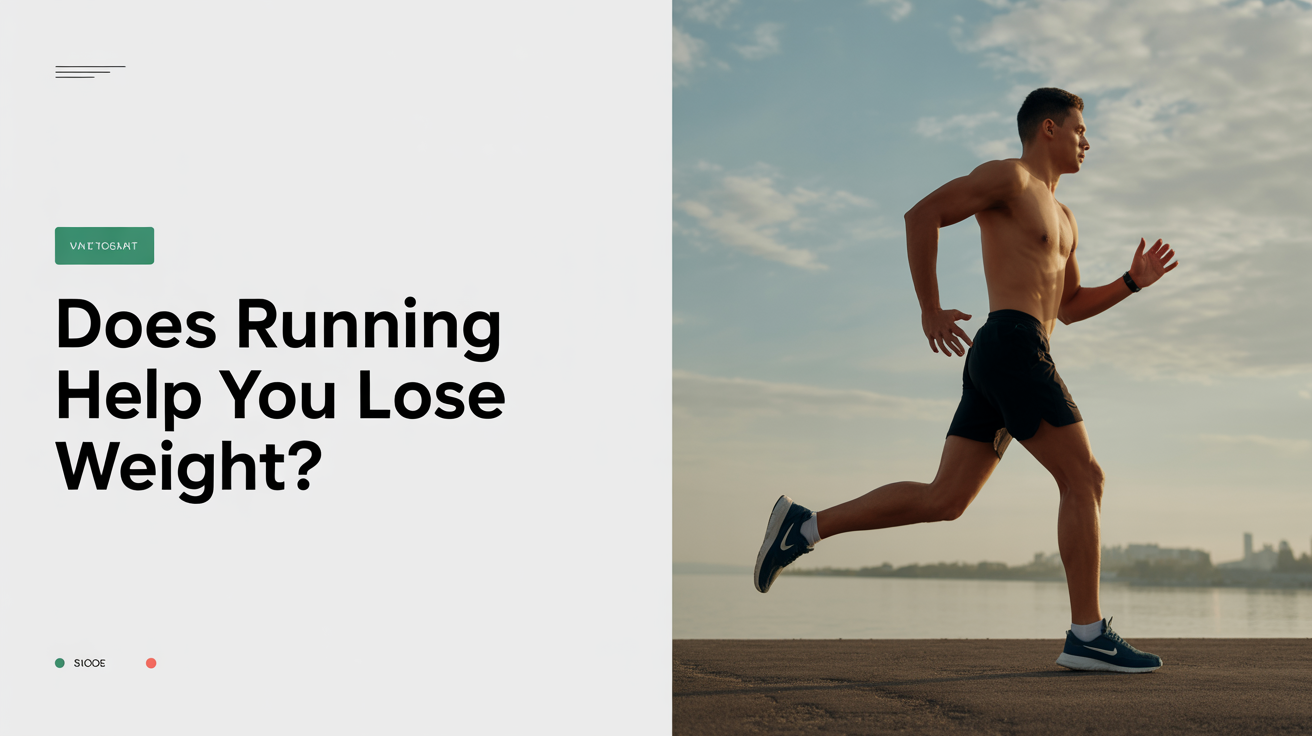
Running is one of the most accessible ways to move your body, and a lot of people lace up for the first time with weight loss in mind. That is a completely reasonable starting point. But the honest answer to "does running help you lose weight?" is: it depends on how you go about it.
Done well, running burns calories, builds a sustainable movement habit, and tends to make people more thoughtful about what they eat. Done too hard and too fast, it leads to burnout, injury, and giving up by week three. The good news is that the version that actually works for beginners is also the more comfortable one.
Heads up: This guide is general information for healthy adults. Check with a doctor before starting a new exercise program, especially if you have a heart condition, are pregnant, have been inactive for a long time, or have any injury or health condition you are managing. Stop and get help if you feel chest pain, dizziness, or sharp joint pain.
What Running Does for Weight Loss
Running is a calorie-burning activity. How many calories depends on your weight, pace, and how long you go. A rough ballpark for a 155-pound (70 kg) person running at a comfortable pace is around 300 to 400 calories for a 30-minute run, though your number will differ.
Over time, that calorie burn adds up. But running alone rarely tells the whole story. Most people find that as they run more, they also become more aware of how food makes them feel before, during, and after a run. That awareness, not a strict diet, is often what shifts things.
A few things worth knowing:
- Running makes you hungry. That is normal. The goal is not to ignore hunger; it is to pay attention to it and fuel your runs well without undoing all your effort in one sitting.
- Muscle weighs more than fat by volume. As you run more, you may build some leg and core muscle. The scale might not move as fast as you expect, but your clothes may fit differently and you will feel stronger.
- Rest matters. Your body changes during recovery, not during the run itself. Sleep and easy days are part of the process.
Why Running Easy Actually Works Better
Most beginners go out too hard. They sprint the first block, walk the next three, feel defeated, and decide they are "not a runner." The problem was not their fitness; it was their pace.
Running at an easy, conversational pace is the foundation of everything that works in distance running. If you can say a sentence or two out loud without gasping, you are probably at the right effort. That pace feels almost embarrassingly slow at first. That is fine.
Running easy keeps your heart rate in a range where your body taps into fat stores more efficiently and where you can go for longer without breaking down. It also keeps the injury risk low, which matters because you cannot run at all if you are hurt.
A useful target for beginners is to aim for effort over pace. If you want a number, somewhere around 12 to 15 minutes per mile (about 7:30 to 9:20 per kilometer) is not unusual for a first run at a truly easy effort. Some people start even slower. That is perfectly okay.
Building Up With the Run-Walk Method and the 10% Rule
The run-walk method is the most beginner-friendly on-ramp to running, and it is not cheating. You alternate short running intervals with walking breaks. A classic starting point looks like this:
- Run for 1 minute, walk for 2 minutes, repeat for 20 to 25 minutes total
- After a week or two, try running for 2 minutes and walking for 1 minute
- Gradually increase the running segments as the effort starts to feel manageable
Walk breaks let your heart rate come down, give your joints a breather, and allow you to cover more time on your feet than you could by running straight through. Most people find they feel better at the end of a run-walk session than they would after grinding through a continuous run that is too hard.
For building total distance over weeks, the 10% rule is a helpful guide: do not increase your weekly mileage by more than 10% from one week to the next. If you covered 5 miles (8 km) this week, try for no more than 5.5 miles (about 8.8 km) next week. The rule is a rough heuristic, not a law, but it helps prevent the classic beginner mistake of jumping from nothing to too much too fast.
Example progression for the first four weeks:
| Week | Total Distance |
|---|---|
| 1 | 3 miles / 5 km |
| 2 | 3.5 miles / 5.5 km |
| 3 | 4 miles / 6.5 km |
| 4 | 4.5 miles / 7 km |
Take at least one full rest day between runs, and listen to your body. Soreness in your muscles is normal. Pain in a joint or bone is a signal to back off.
Fueling and Hydration That Actually Support Your Runs
Running changes your relationship with food, and that is a good thing. What you eat around your runs affects your energy, your recovery, and how you feel on your next outing.
What to eat before a run matters more than people expect. A small, easy-to-digest carbohydrate snack about 30 to 60 minutes before a short run can help you feel steady rather than sluggish. Nothing too heavy.
After you finish, your body is ready to rebuild. What to eat after a run for recovery follows a similar idea: some protein and carbohydrates within an hour or so helps your muscles repair and prepares you for the next session.
Hydration is easy to overlook but it affects everything. Even mild dehydration makes running feel harder than it is. How to stay hydrated when running covers the basics, including how much to drink and whether you need to carry water on shorter runs.
One thing to avoid: treating a run as permission to eat anything in unlimited quantities. Running does burn calories, but it is easier to eat them back than most people think. You do not need to obsess over it. Just eat in a way that leaves you energized for your next run, and pay attention to how different foods make you feel.
Frequently Asked Questions
How long does it take to see weight loss results from running?
It varies a lot by person. Some people notice changes in how their clothes fit within four to six weeks of consistent running. Others take longer, especially if muscle gain is happening at the same time. Weight on a scale is one signal among many. Energy levels, sleep quality, and how your runs feel week over week are often better markers of progress in the early months.
Is running better for weight loss than walking?
Running burns more calories per minute than walking because it takes more effort. But walking is also very effective, especially for people just starting out. If running feels too hard right now, brisk walking is a legitimate training mode. The run-walk method bridges both.
How often should a beginner run to lose weight?
Three times per week is a good starting point. That gives you enough frequency to build the habit and make progress, while leaving room for recovery between sessions. Going from zero to five or six days per week usually leads to injury or burnout.
Do I need to run fast to burn more calories?
Faster running does burn more calories per minute, but it also increases injury risk and makes it harder to complete your session. For most beginners, running longer at an easy pace burns more total calories than running fast for a short time before stopping. Build your base first, then add speed if you want to.
What if I am not losing weight even though I am running?
A few things to check: Are you eating enough to fuel your runs without significantly overshooting? Are you sleeping enough? Is your weekly mileage gradually increasing? Weight loss can stall for many reasons unrelated to effort. If you have been running consistently for several months and are not seeing any change, it may be worth talking to a doctor or a registered dietitian to look at the full picture.