Nutrition & Motivation
What to Eat After a Run for Recovery
What to eat after running depends on how far you went. Learn the carb-protein basics, hydration tips, and real-food options that actually help you recover.
You finished your run. Now you're wondering if you need a recovery shake, a full meal, or just a glass of water and a shower. The answer depends a lot on how long you were out there, and for most beginners on a 20- or 30-minute jog, the answer is probably simpler than you think.
This guide walks through what the research actually says about post-run nutrition, what it means for someone just starting out, and what real food options work well without overcomplicating things. As a heads-up: this is general information, not medical or dietetic advice. Everyone's body is different, and if you have specific health conditions or weight goals, talking with a registered dietitian is worth the time.
Do You Even Need a Recovery Snack After a Short Run?
Honest answer: often, no. If you ran for 20 to 30 minutes at an easy pace and you're planning to eat a regular meal within the next hour or two, your body will recover just fine from that meal. Short runs don't deplete your glycogen stores anywhere near the level that demands an urgent snack.
Where recovery nutrition starts to matter more is after longer or harder efforts, think 60-plus minutes, a tempo workout, or anything where you finished genuinely depleted. After those sessions, what you eat and when you eat it can meaningfully affect how you feel the next day.
A quick comparison to frame the rest of this:
After a short easy run (20–40 min):
- Normal hunger cues are your guide
- Eat your next regular meal as planned
- Prioritize fluids if it was warm out
- No rush, no special snack required
After a longer or harder effort (60+ min):
- Eating within 30–60 minutes helps refuel and start muscle repair
- Aim for a mix of carbohydrates and protein
- Rehydration becomes more deliberate
- Skipping the post-run meal can leave you dragging tomorrow
The Carb and Protein Basics
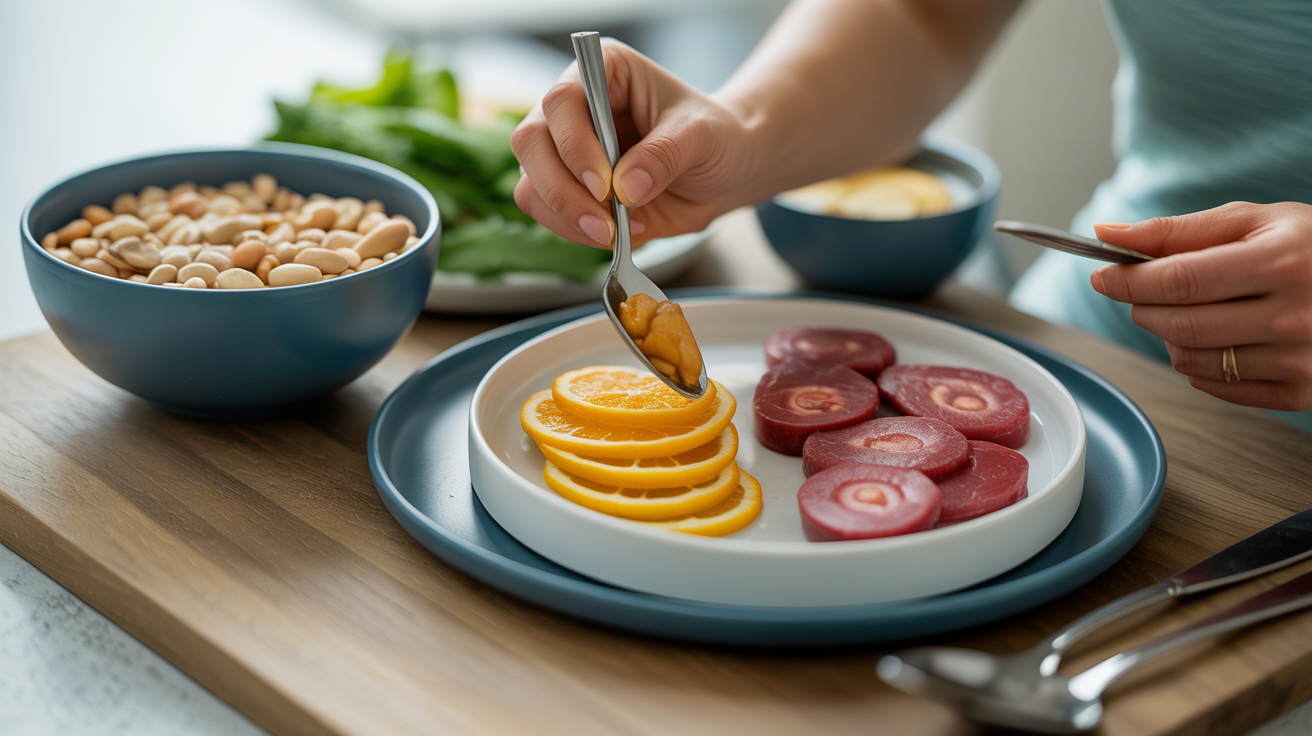
When your muscles work hard, they burn through glycogen (stored carbohydrate) and sustain small amounts of muscle fiber damage that need to be repaired. Two things help fix both of those problems: carbohydrates to restock the glycogen, and protein to support muscle repair.
A commonly cited target is roughly a 3:1 or 4:1 ratio of carbohydrates to protein. In practice, that doesn't mean measuring grams at every meal. It means your post-run plate should lean heavier on carbs than protein, a bowl of rice with some chicken, a banana with peanut butter, or a smoothie with fruit and Greek yogurt. None of those require a calculator.
For most beginner runners doing moderate distances, something in the range of 20–30 grams of protein and 40–60 grams of carbs after a long run covers the bases. But don't get too caught up in the numbers. Real food, eaten in reasonable amounts, works.
The "Anabolic Window" in Perspective
You've probably heard about the post-workout "window", the idea that you must eat within 30 minutes of finishing or you'll miss the recovery train entirely. This has been overstated.
The window is real but wider than the gym mythology suggests. For most recreational runners, eating within two hours of a hard effort captures most of the benefit. The urgency matters more the longer and harder your run was. After a 90-minute long run, eating sooner helps. After a 25-minute jog, your next regular meal is completely fine.
One thing the window framing does get right: don't skip eating entirely after a hard effort because you're "not hungry yet." Appetite often dips right after running, and it's easy to forget to refuel. Set a reminder if you need to. A small snack bridging you to a full meal is a perfectly good strategy.
Rehydration: The Part People Skip
Replacing the fluid you lost during your run matters as much as food, sometimes more. Even mild dehydration slows recovery, makes you feel foggy, and affects next-day performance.
A practical starting point is to weigh yourself before and after a long run. Each pound lost represents roughly 16 ounces (500 ml) of fluid. For shorter runs or cool days, drinking to thirst and targeting clear-to-pale-yellow urine works well enough.
Plain water handles most situations. If you ran for over an hour in heat and sweated heavily, adding some sodium and carbohydrates (a sports drink, coconut water, or salty food with water) helps your body actually hold onto the fluids rather than excreting them quickly.
For a deeper look at staying hydrated on the run itself, see our guide on how to stay hydrated when running.
Good Real-Food Options After a Run
You don't need powders and supplements to recover well. Most runners do fine with regular food. Here are options that land in the right carb-protein zone and are easy to pull together:
Quick snacks (good bridge if a full meal is an hour away):
- Banana with a spoonful of nut butter
- Greek yogurt with berries
- Chocolate milk (genuinely effective, good carb:protein ratio)
- A slice of toast with eggs
- Cottage cheese and fruit
Full meals that work great as recovery:
- Rice or pasta with grilled chicken or fish and roasted vegetables
- A burrito bowl with beans, rice, salsa, and a protein
- Oatmeal with a boiled egg on the side
- Salmon with sweet potato and greens
- A veggie omelet with toast
If you're curious about what to eat before your run (and how that affects what you need after), take a look at our guide on what to eat before a run and whether you should run on an empty stomach.
The goal is not perfection. The goal is eating real food that contains both carbs and protein within a couple of hours of a meaningful effort.
What About Weight Loss?
This one comes up a lot. If you're running partly to lose weight, you might be tempted to skip the post-run meal to "keep the deficit." That's understandable, but it tends to backfire.
Under-eating after a hard run leaves you more fatigued, more prone to injury, more likely to binge later in the day, and less likely to feel good enough to show up for the next run. Running also doesn't burn as many calories as most fitness trackers suggest, a 30-minute easy jog might be 250–300 calories. A banana and some yogurt doesn't erase that.
The smarter approach is to eat a genuine recovery meal after harder runs and let your calorie management happen across the rest of the day. Chronic under-fueling around training is a path to burnout, not sustainable fitness.
If weight loss is a specific goal alongside running, a registered dietitian who works with athletes can help you find the right balance for your body and schedule. General nutrition advice like this article isn't a substitute for that kind of individualized guidance.
Frequently Asked Questions
How soon after a run should I eat?
After a short, easy run: whenever your next meal falls is fine. After a longer or harder effort (60-plus minutes), try to eat something within 30–60 minutes. A small snack works if a full meal isn't practical right away.
Is chocolate milk actually a good recovery drink?
Yes, and the research backs it up. Chocolate milk has a solid carbohydrate-to-protein ratio, it's affordable, and it tastes good, which means you'll actually drink it. It's not magic, but it's a genuinely useful recovery option for many runners.
What if I'm not hungry after a run?
That's common. Running can suppress appetite temporarily. If a full meal doesn't appeal, try a smaller snack, a banana, some yogurt, a handful of crackers with nut butter. Something is better than nothing after a hard effort. Appetite usually returns within an hour or so.
Do I need protein powder or supplements?
Almost certainly not. Whole foods provide everything most recreational runners need. Protein powder is convenient, but it's not superior to food. If you find it genuinely hard to hit your protein intake through meals, a shake can fill the gap, but it's optional, not required.
Can I just drink a sports drink and call it recovery?
Sports drinks are great for hydration and replace electrolytes, but they're light on protein and often light on meaningful carbohydrates. They're a useful tool during long runs and for rehydrating after, but they don't replace a post-run meal. Pair the drink with some food.