Nutrition & Motivation
What to Eat Before a Run
Learn what to eat before running, when to eat it, and which foods to skip so your stomach stays happy on every run.
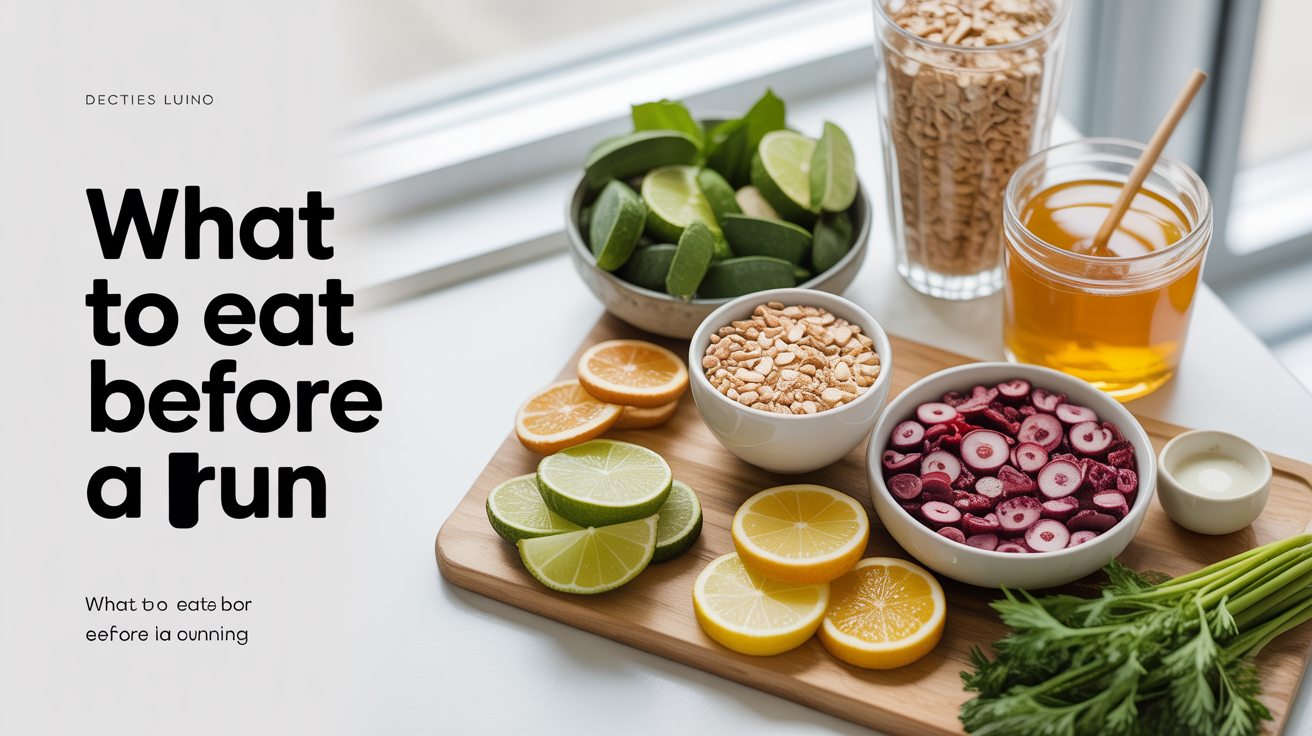
Here is a truth most beginners learn the hard way: what you ate three hours ago matters more than the handful of crackers you grabbed on your way out the door. Pre-run nutrition sounds complicated, but for most short beginner runs, the honest answer is that you need very little. Timing, not the perfect superfood, is the thing that keeps your stomach settled and your legs moving.
This guide breaks it all down so you can stop guessing and start running with confidence.
Why Timing Matters More Than the Food Itself
Your digestive system needs time to do its job. When you eat a full meal and then head out for a run fifteen minutes later, your body is trying to digest food and pump blood to your working muscles at the same time. Those two demands compete. The result is often side stitches, nausea, or that heavy, sloshing feeling that ruins an otherwise good run.
A simple timing framework works well for most people:
| Time Before Your Run | What to Eat |
|---|---|
| 2–3 hours | Full balanced meal (carbs, some protein, low fat) |
| 1–2 hours | Moderate snack (around 200–300 calories) |
| 30–60 minutes | Small, easy-to-digest snack (under 200 calories) |
| Under 30 minutes | A few bites at most, or nothing |
These are starting points. Your digestion is not the same as your training partner's, and individual tolerance varies quite a bit. Someone with IBS, diabetes, or a sensitive stomach may need to adjust this considerably. If you have a chronic condition or take medication that affects blood sugar or digestion, talking with a registered dietitian before experimenting is a smart move.
What to Eat for Short Runs (Under 45 Minutes)
For most beginner runs, especially those under 45 minutes, you genuinely do not need much. Your body already stores enough glycogen in your muscles to fuel that effort without topping off the tank beforehand.
If you ate a reasonable meal two or three hours before you lace up, you are fine. If you are heading out mid-afternoon after lunch or after dinner, no pre-run snack is necessary.
If you are running first thing in the morning on an empty stomach and you feel great, that is fine too. Read more about the tradeoffs in this guide to running on an empty stomach.
If you do want something in your stomach, keep it small and carb-focused. The goal is just enough to settle any hunger, not a full refuel.
What to Eat for Longer Runs (45 Minutes or More)
Once you are going longer, fuel starts to matter more. Your glycogen stores are not unlimited, and eating the right thing beforehand helps you hold your pace and feel better at the end.
Good pre-run foods for longer efforts are easy to digest, mostly carbohydrate-based, and low in fat and fiber. Fat and fiber both slow gastric emptying, which means the food sits in your stomach longer. That is useful at dinner. Before a run, it causes problems.
Quick pre-run snacks that work well:
- Half a banana or a whole small banana
- A slice of white toast with honey or jam
- A small bowl of oatmeal (with water or low-fat milk, no heavy toppings)
- A rice cake or two with a thin spread of nut butter
- A small handful of pretzels
- A few dates or dried apricots
- A plain bagel or English muffin (no heavy cream cheese)
- A low-fiber granola bar (check the label; anything over 4–5g fiber per bar is riskier)
Notice what is not on that list: eggs, avocado, a protein shake, a big salad, or anything fried. Those are fine foods at other times. Before a run, they tend to cause grief.
Easy-to-Digest Carbs: Why They Are Your Best Friend Before a Run
Carbohydrates are your body's preferred fuel source during running. They convert to energy quickly and efficiently. The key word before a run is easy to digest.
Simple carbs like white bread, bananas, honey, and white rice digest faster than complex carbs like whole-grain bread or brown rice. Normally we celebrate the complex stuff for its fiber and sustained energy. But before a run, faster digestion is what you want.
That does not mean you should eat candy and call it sports nutrition. A banana with honey on toast is different from a handful of gummy bears, even if both are "fast carbs." The banana brings potassium and some micronutrients. The toast gives you a little more substance. Whole foods are almost always the better choice.
A small amount of protein is fine in a pre-run snack and can help some people feel more stable. But keep it modest. Protein takes longer to digest than carbohydrates, so a large serving will sit heavy. A thin scrape of peanut butter on toast is very different from a full chicken breast.
Foods to Avoid Before Running
This list is arguably more useful than the "eat this" list, because the wrong food before a run can derail the whole thing.
Skip these before you head out:
- High-fat foods (fried food, cheese, full-fat dairy, avocado in large amounts)
- High-fiber foods (raw vegetables, beans, whole-grain heavy bread, bran cereal)
- Spicy food (can irritate your GI tract during exercise)
- Carbonated drinks (gas and bloating mid-run is not fun)
- Alcohol (dehydrates you and impairs coordination)
- Large portions of anything, regardless of what it is
- Cruciferous vegetables like broccoli, cauliflower, and cabbage close to a run
That last one catches people off guard. A big kale salad is a genuinely healthy lunch. It is also a guaranteed stomach cramp if you run an hour after eating it.
Morning Runs: The Small Snack vs. Fasted Debate
Morning running is its own situation. You have been fasting for seven or eight hours. Your glycogen is lower than it would be mid-afternoon. What you do next depends on how long and hard you plan to run.
For easy runs under 30 to 45 minutes, many runners do well going out fasted. Your body can manage that effort on stored fuel. You might feel a little flat for the first ten minutes, but it passes.
For longer morning runs, a small snack eaten 30 to 60 minutes before you go out makes a real difference. Something quick and light, like half a banana or a slice of toast with honey, gives your muscles enough fuel without overwhelming your digestion.
Experiment on your easy runs first. Find what sits well for you personally, then stick with it on harder days. And whatever works for you in training, do not try anything new on race day. New food, new shoes, and new routes are all race-day rules for a reason.
Hydration Before Your Run
Food gets most of the attention, but arriving at your run already dehydrated is one of the fastest ways to feel terrible. By the time you are thirsty, you are already a little behind.
A practical habit: drink a full glass of water when you wake up, then another 8 to 16 ounces about 30 minutes before your run. You do not need to chug water immediately beforehand, because a sloshing stomach is its own problem.
Coffee is fine for most runners and can actually enhance performance slightly. Just make sure you are drinking water alongside it, since caffeine has a mild diuretic effect. Some runners also find that coffee accelerates their need to use the bathroom, which can work in your favor pre-run if the timing lines up.
For a much deeper look at staying hydrated while running, this guide on how to stay hydrated when running covers everything from electrolytes to how to tell if you are drinking enough.
And if you are curious about fueling after your run as well, this piece on what to eat after a run for recovery walks through the post-run nutrition window in detail.
This article is for general informational purposes only and is not a substitute for personalized medical or dietary advice. Everyone's nutritional needs and digestive tolerance are different. If you have diabetes, a gastrointestinal condition, or take medications that affect blood sugar or gut motility, please consult a doctor or registered dietitian before making changes to your pre-run eating habits.
Frequently Asked Questions
Is it okay to run on an empty stomach?
For easy runs under 45 minutes, yes, most people handle fasted running just fine. It becomes more of an issue on longer or harder efforts, where lower glycogen stores can leave you feeling flat or cause you to fade near the end. Try it on a short easy run first and see how your body responds.
How long should I wait after eating a full meal before running?
A general guideline is two to three hours after a full meal. A light snack needs less time, around 30 to 60 minutes. The heavier and higher in fat the meal is, the longer you should wait. If you ate a large burger and fries, give yourself three hours minimum.
What is the best pre-run snack if I only have 30 minutes?
A half banana, a few dates, or a slice of plain white toast with honey are good options. Keep it small, under 150 to 200 calories, and choose something you have eaten before without issues. Avoid anything high in fat, fiber, or protein at this point.
Should I eat differently before a race than before a training run?
Broadly, no. The same principles apply. The main rule for race day is to eat only what you have already tested in training. Race-morning nerves already affect your digestion, so adding an unfamiliar food is an unnecessary risk. Stick with your proven routine.
What if I feel sick every time I eat before running?
Some runners are more sensitive than others, and that is completely normal. Try eating earlier, reducing the portion size, or shifting to simpler foods like a banana or plain crackers. If the issue persists regardless of timing or food choice, it is worth mentioning to a doctor, since some GI conditions can be aggravated by exercise and are very manageable with the right guidance.