Gear & Shoes
Do Beginners Need a Running Watch or GPS?
Do beginners need a running watch or GPS? Here's what the tech actually does, what you can skip, and how to pace yourself without spending a lot.
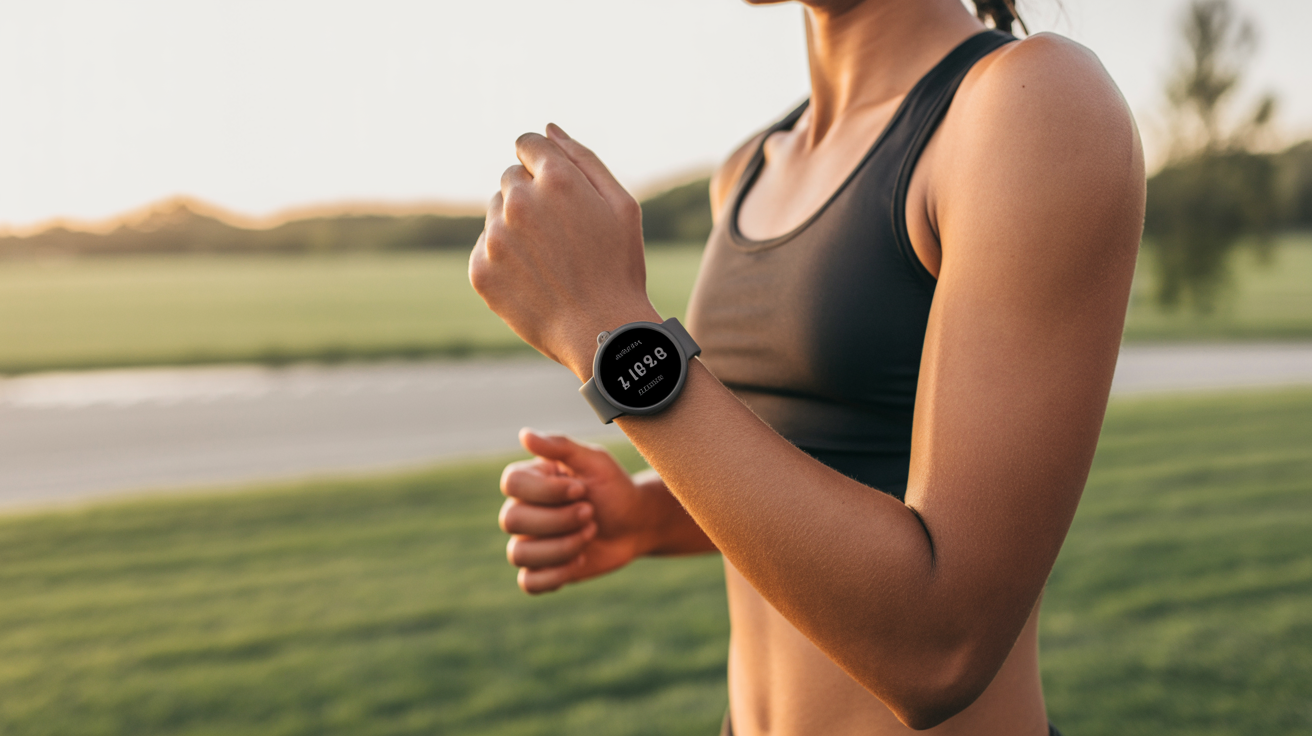
When you are just starting out, the gear lists can feel overwhelming. Shoes, socks, shorts, a hat, a hydration belt, and somewhere in there: a GPS running watch. The marketing makes it sound essential. The truth is more straightforward. A watch can be useful, but it is not a prerequisite for building a running habit, and the wrong one can actually get in the way.
This guide covers what a running watch does, where it genuinely helps beginners, and how to decide whether to buy one now, borrow a workaround, or wait until your running is more established. As always, check with your doctor before starting a new exercise program, especially if you have been inactive for a while, have any heart or joint conditions, or are pregnant. And once you are out there, listen to your body.
What a Running Watch Actually Does
A GPS running watch locks on to satellites and tracks your position as you move. From that data it can calculate distance (in miles or kilometers), pace (minutes per mile or per kilometer), and elapsed time. Most also include a heart rate sensor on the wrist.
That sounds comprehensive, but think about what a beginner actually needs in the first few weeks:
- Know how long you have been moving
- Stay at an easy, conversational pace
- Walk when you need to and run when you can
A basic watch with a timer covers point one. Your breathing covers point two. Your legs cover point three. GPS adds distance and pace, which become more meaningful once you have a base, but are not critical on week one of a run-walk plan.
Running Watch vs Phone: The Honest Comparison
Your phone can do most of what a GPS running watch does, through free apps like Nike Run Club, Strava, or MapMyRun. The phone GPS is accurate enough for beginner distances, the pace and distance readouts are reliable, and you already own it.
The tradeoff is convenience. A phone in your hand gets sweaty. A phone in a waistband or armband adds bulk and sometimes bounces. You also need to glance down or pull it out to check your pace, which breaks your stride.
A dedicated GPS watch sits on your wrist and shows data with a flick of the arm. It is lighter, built to handle sweat and rain, and the battery lasts through a full run without you worrying about a low-charge notification killing your music.
For a beginner doing 20 to 30 minutes of run-walk intervals, those differences are real but manageable. Many people run happily with a phone for months before deciding a watch is worth it. Others buy a watch early and find it motivating. Neither choice is wrong.
What to Look For in a GPS Running Watch for Beginners
If you decide to get a watch, you do not need the most feature-rich model on the market. Here is what actually matters at the start.
Accurate GPS. The core job. Most current watches in the entry-level range do this well. Look for a watch that gives distance in your preferred unit (miles or kilometers) and shows current pace, not just average pace.
A readable display. You will be checking your pace mid-run without stopping. A clear, bright screen matters more than a small, dim one.
Heart rate tracking. Wrist-based heart rate is not perfectly precise, but it gives you a rough read on effort. That is useful for keeping yourself in the easy, conversational zone that beginner training plans depend on. If the number is creeping high and you feel like you cannot hold a sentence, slow down.
Battery life of at least 8 to 10 hours in GPS mode. You will not run that long for a while, but a short battery means charging constantly. Most entry-level GPS watches far exceed this.
A simple interface. Multi-sport watches with 40 activity modes are fine, but if navigating menus takes focus away from running, the watch is working against you.
You do not need live coaching prompts, route navigation, music storage, contactless payments, or recovery scores at the start. Those features are nice to have later. For the first three to six months, distance and pace are the numbers that count.
How to Use GPS Data Without Letting It Run You
Here is the beginner trap: you get a watch, you stare at pace constantly, and every run turns into a performance review. That is the fastest way to push too hard and burn out or pick up an injury.
The 10 percent rule is a useful guardrail. Do not increase your total weekly distance by more than 10 percent from one week to the next. If you ran 6 miles (about 10 km) last week, cap this week at roughly 6.6 miles (about 10.5 km). GPS data makes tracking that simple, which is one of its genuine benefits.
Conversational pace is the other guardrail. Easy runs should feel easy. If you can speak in short sentences but not give a speech, you are probably about right. If you cannot say a word, slow down. Your watch can confirm that effort is matching an easy heart rate zone, but your breathing and the feel in your legs are the primary guide.
Run-walk intervals work with or without a watch. You can use the stopwatch function on any basic watch, a free phone app with interval timers, or even a podcast split into segments. GPS adds a distance layer to that, which is satisfying, but not necessary to follow a plan well.
When a Running Watch Is Worth Buying
A GPS watch starts earning its keep once your runs have some structure. If you are following a couch-to-5K plan and you want to know whether you are covering the distances the plan suggests, a watch makes that immediate and precise. If you are running three times a week and want to track weekly mileage to stay inside the 10 percent rule, a watch makes that automatic.
It also becomes more valuable if you run in places with poor phone signal, run early in the morning when carrying a phone feels like a risk, or simply dislike the armband or pocket situation.
If you are in the first two or three weeks and still figuring out whether running is something you will stick with, start with your phone. A watch is a better investment once you know you want to keep going.
When you are ready to spend more on shoes or replace a worn-out pair, check the guides on how to choose running shoes for beginners and do you need expensive running shoes. And if you are not sure when to retire your current pair, how often should you replace running shoes covers that.
The Slow Mile is independent and not affiliated with any watch, app, or brand mentioned here.
Frequently Asked Questions
Do beginners really need a GPS running watch?
No. A phone with a free running app covers distance and pace for beginners. A dedicated GPS watch adds convenience and wrist-based data, but it is not required to start running or to follow a beginner plan. Many runners go months with just a phone.
What is the difference between a running watch and a fitness tracker?
Fitness trackers like basic step counters often lack GPS and rely on step counting to estimate distance, which is less accurate over varied terrain. GPS running watches lock on to satellites for precise distance and pace. If you want reliable distance data, look for a watch that explicitly includes GPS rather than relying on step estimation.
Can I use my phone instead of a GPS watch for running?
Yes. Apps like Strava, Nike Run Club, and MapMyRun use your phone's GPS to track distance and pace. The main drawbacks are the bulk of carrying a phone and needing to check the screen by pulling it out or looking at a strapped-in screen. For most beginners, this is a fine tradeoff.
How much should a beginner spend on a running watch?
Entry-level GPS running watches start at roughly $150 to $200 (about £120 to £160). They handle the basics well. You do not need to spend $400 or more on a multisport watch with advanced metrics until your training is well established and you have a clear reason for the extra features.
Will a running watch help me run faster?
Not directly. A watch gives you data. What you do with that data determines whether it helps. For beginners, the most useful thing GPS data does is keep you honest about pace so you do not go out too fast, and help you track weekly mileage to stay within safe progression limits like the 10 percent rule.