Getting Started
How to Start Running: A Complete Beginner's Guide
Ready to start running? This beginner's guide covers your first run, run-walk pacing, weekly schedule, gear, and what to expect in week one.
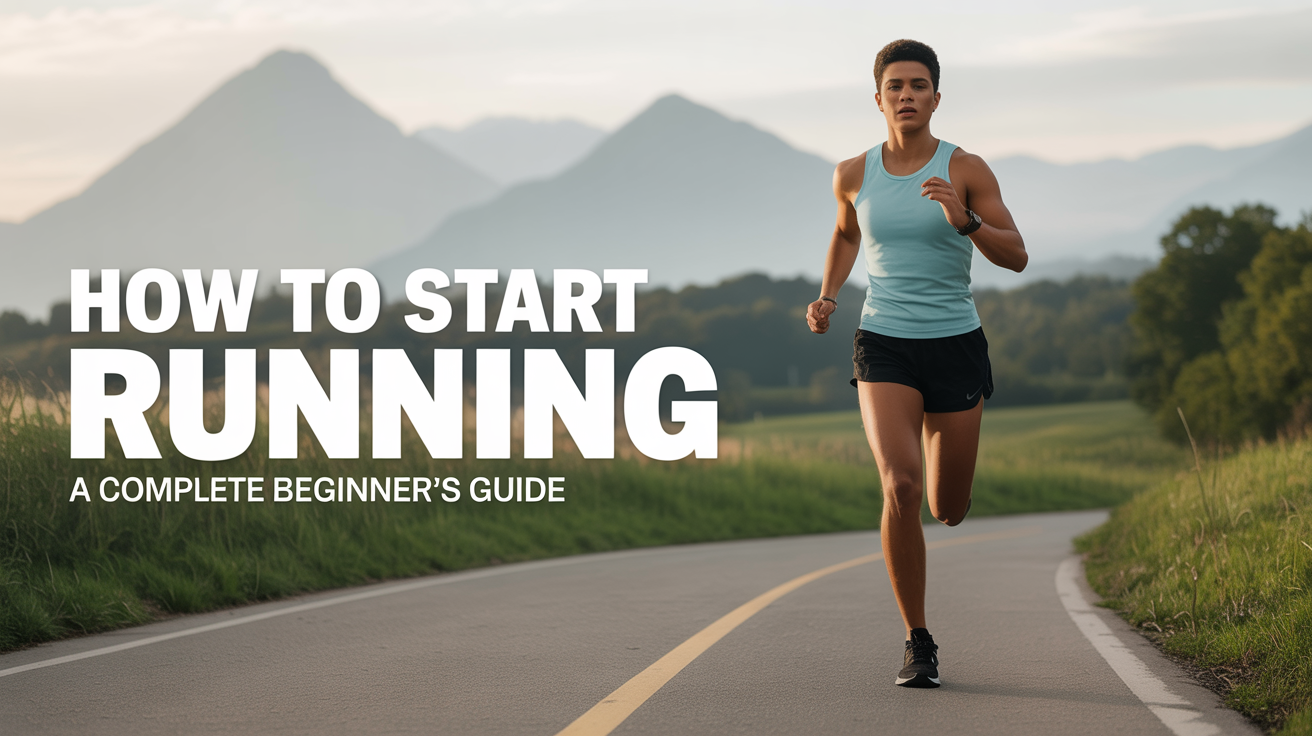
Running is one of the simplest ways to get fit, and you don't need to be fast, thin, or athletic to do it. Millions of people who once couldn't run a single block have built lasting habits by starting small, going slow, and ignoring the voice that says they're not a "real runner." That voice is wrong.
Before you lace up: if you have a heart condition, joint problems, are pregnant, or have been completely inactive for more than a year, talk to your doctor first. This is general fitness information, not medical advice. Once you have the green light, here's exactly how to begin.
The Right Mindset for Beginner Running
Most beginners quit in the first two weeks because they go out too fast and feel terrible. They assume running is supposed to hurt, that they're just bad at it, and they stop. The real problem is pace.
Easy running should feel almost embarrassingly slow. You should be able to hold a full conversation without gasping. If you can't say a complete sentence out loud, slow down. If slowing down still leaves you breathless, take a walk break. Walk breaks are not failure; they're the method.
If you're starting from zero fitness, read how to start running when you're completely out of shape before your first session. It covers what "out of shape" actually means physiologically and why your first few runs will feel harder than they should.
The Run-Walk Method: Your First Few Weeks
For absolute beginners, a run-walk approach is the most effective way to build a base without burning out or getting hurt. You alternate short running intervals with walking recovery periods. Over weeks, the running intervals grow and the walk breaks shrink.
Here's a simple three-week starter plan. Aim for three sessions per week, with at least one rest day between each.
| Week | Session Structure | Total Time |
|---|---|---|
| Week 1 | Run 1 min / Walk 2 min, repeat 6x | ~20 min |
| Week 2 | Run 2 min / Walk 1 min, repeat 6x | ~22 min |
| Week 3 | Run 3 min / Walk 1 min, repeat 5x | ~22 min |
After week 3, you can extend run intervals to 5 minutes, then 8, then try your first 20-minute continuous easy run. Progress gradually: a good rule of thumb is to increase your total weekly running time by no more than 10% per week. Jumping from 20 minutes to 40 minutes in one week is a reliable path to shin splints.
For a deeper breakdown of how to progress your intervals, the run-walk method: how beginners build their first miles goes step by step through the full 8-week arc.
How Slow Is Slow Enough?
New runners almost always start too fast. Your "easy" pace as a beginner might be 12-15 minutes per mile (7:30-9:20 per kilometer). That's fine. Pace does not matter right now. Time on feet does.
A practical test: recite a few sentences out loud while running. If you can do it without panting, your pace is correct. If you're struggling to speak, slow down by 30-60 seconds per mile (20-40 sec/km). Most beginners find that slowing down by what feels like an embarrassing amount is exactly right.
Heart rate is another useful guide. For easy running, aim to keep your heart rate below 75% of your maximum (roughly estimated as 220 minus your age). At age 35, that's around 138 beats per minute. You don't need a fancy watch; the talk test works just as well.
How Often Should a Beginner Run?
Three days per week is the sweet spot for most beginners. It gives you enough frequency to build fitness while allowing full recovery between sessions. Running every day in week one almost guarantees soreness that keeps you off the roads in week two.
A simple weekly structure: run Monday, Wednesday, Saturday. Or Tuesday, Thursday, Sunday. The specific days matter less than the rest days in between.
If you're wondering whether you can add a fourth day early on, how often should a beginner run each week covers the research on training frequency and when adding more days actually helps versus hurts.
Rest and Recovery
Soreness after your first run or two is normal. Your legs are adapting to impact forces they haven't encountered before. Light walking, stretching, and sleep are your best tools. If you feel sharp pain in a joint (knee, hip, ankle) rather than muscle soreness, stop and give it a few days. Pushing through joint pain leads to injuries that sideline you for weeks.
Gear: What You Actually Need
You don't need much. Here's the honest list:
Running shoes (the one non-negotiable). Any shoe marketed as a running shoe is fine to start. If you're getting shin splints or knee pain after a few weeks, visit a specialty running store and ask for a gait analysis. They'll watch you run briefly and recommend shoes that match your foot strike. This is free at most running shops and worth doing.
Comfortable, non-cotton clothing. Cotton holds sweat against your skin and causes chafing. Synthetic or wool fabrics wick moisture away. You don't need branded running gear. Any moisture-wicking athletic shirt and shorts or tights from any budget retailer will work.
A sports bra (if relevant). Proper support matters for comfort and injury prevention. High-impact sports bras are designed specifically for running.
A phone or watch (optional but useful). A free app like Nike Run Club or Strava can time your run-walk intervals and track your progress. Progress tracking keeps motivation up when running still feels hard.
That's genuinely it. Resist spending money on foam rollers, GPS watches, or hydration vests until you've run for at least six weeks. Most beginners quit before they need any of that.
Warming Up Before You Run
A warm-up is not optional; it's five minutes that prevent most beginner injuries. Cold muscles and tendons don't stretch well, and jumping straight into running stresses them unnecessarily.
A Simple Pre-Run Warm-Up
Start with a 3-5 minute brisk walk. Then do a short dynamic routine:
- Leg swings: Hold a wall, swing each leg forward and back, 10 reps per side
- Hip circles: Hands on hips, slow circles in each direction, 8 reps
- Ankle rotations: Lift one foot, rotate the ankle 8 times each direction, switch sides
- High knees walking: 10-15 steps, lifting knees toward chest
This takes about four minutes total. Do it every time. You can skip the static stretching (holding a stretch for 30 seconds) before running; save that for after, when your muscles are warm.
After your run, a 5-minute walk and two or three gentle stretches for your calves and hamstrings is enough to start.
What the First Few Weeks Actually Feel Like
Week 1 is often harder than expected. Your lungs might burn. Your legs feel heavy. You may be convinced you're uniquely terrible at running. You're not. Aerobic fitness takes about 3-4 weeks to start improving noticeably. The first two weeks are the price of admission.
By week 3, something shifts. The same intervals feel a bit easier. You're recovering faster between runs. Your breathing is more controlled. This is real adaptation, and it continues for months.
By week 6, you'll run stretches you couldn't have imagined at the start. That's not luck or natural talent; it's the completely ordinary result of consistent, easy practice.
Stop immediately and contact a doctor if you experience chest pain, pressure, or tightness during a run; dizziness or fainting; or sharp, sudden joint pain. These are not "push through it" signals.
Frequently Asked Questions
How far should I run on my first day?
Distance doesn't matter on day one. Time does. Run for 20-25 minutes total, mixing running and walking as needed. For most beginners, the actual running portion in week one might cover just 1-1.5 miles (1.6-2.4 km). That's enough. You're building a habit and conditioning your joints, not proving fitness.
Is it normal to feel out of breath right away?
Yes. Cardiovascular adaptation takes weeks. Your muscles will feel stronger before your lungs catch up. Slow down, take walk breaks, and trust that it gets easier. If you're completely breathless after 30 seconds of easy jogging, you're running too fast.
What if my knees hurt after running?
Mild muscle soreness around the knee is common in the first week. Sharp pain, pain that worsens during a run, or pain that lingers for more than two days warrants rest and possibly a check-in with a sports medicine doctor or physical therapist. Common beginner issues like runner's knee are very treatable when caught early.
Do I need to run every day to see results?
No. Three days per week is enough to build real fitness as a beginner. Rest days are when your body actually adapts and gets stronger. Running every day before your body is ready is the single fastest way to get injured and stop.
What if I have to walk the whole run?
Walk. Seriously. Walking is not failure; it's training at a different intensity. Many beginner programs start with pure walking before adding any running. If walking for 30 minutes is where you are right now, that's your starting point, and it's a perfectly valid one. Add 1-2 minutes of easy jogging per session and build from there.